Can I Wear Hearing Aids at the Beach or Pool? Best Practices
Summer around Siouxland means finding a way to spend some time near the


By: Dr. Mike L Sloniker | May 18, 2026
Hearing tends to be one of those things you only think about when something feels off. But by the middle of the year, a lot has already changed around you without much fanfare.
Your environment in July looks different from what it did in January, and so does the daily demand on your ears. Louder gatherings, new routines and busier social calendars all change the conditions you’re listening in, often without you connecting any of it to your hearing.
The signs that something has changed are usually small enough to rationalize away. You assumed the restaurant was just louder than usual. You figured your coworker was mumbling.
You told yourself you were tired when you got home from a family dinner that somehow felt more exhausting than it used to. A mid-year screening is a simple way to get an honest answer to that question before another six months go by.
Mid-year screenings can be useful because a lot changes over the course of a year, even when those changes don’t feel obvious in the moment. Daily routines shift, work and social schedules change and people often spend time in different environments than they did earlier in the year.
All of that affects how hearing is being used from day to day, which is part of why the middle of the year can feel like a natural time to check in on where things stand.
Hearing also tends to change gradually, which makes it easy for small differences to blend into normal life without drawing much attention.
A mid-year appointment gives you a point of comparison while the year is still moving, rather than trying to think back over a much longer stretch of time later on.
A lot of daily routines depend on hearing, even when it’s not something you actively think about.
It’s part of conversations with coworkers, hearing someone call from another room, following along during dinner with family or catching details during a phone call.
Since those moments happen all day long, hearing naturally affects how smoothly different parts of the day come together.
Hearing changes with age, but it usually happens slowly enough that people adjust to it as they go. A lot of the differences show up during normal parts of the day rather than all at once.
Ways hearing can change as you get older include:
Regular exposure to noise in work settings, time spent in busy environments and the amount of sound the ears deal with throughout the day can all add up.
Even long stretches of listening without much quiet in between can impact your hearing. Because these changes build slowly, they usually become part of normal life before they’re clearly noticed as a change.
Untreated hearing loss, even when mild, can make daily communication more difficult. Over time, this can lead to missing parts of conversations or feeling left out in group settings.
Research shows that adults with untreated hearing loss are more likely to feel isolated and may avoid social activities. Some effects include frequently asking others to repeat themselves, struggling in noisy places and misunderstanding words.
These challenges can make it harder to stay involved with friends and family. Addressing hearing loss early helps reduce these difficulties and supports clearer communication each day.
When hearing changes go unaddressed, social situations can start to feel different in a way that’s hard to put into words. Conversations that used to feel easy can take more effort to follow, especially when there’s background noise or several people talking at once.
Over time, that extra effort can affect how comfortable someone feels in those settings, and it can influence whether they want to go out or join in the same way they used to.
Regular hearing screenings are often just a way to keep tabs on how your hearing is doing as time goes on. Since changes can be gradual, having a check-in now and then helps create a clearer picture of what’s staying consistent and what might be changing.
Key benefits of having regular hearing screenings include:
An annual screening looks at a full year between visits, so it’s more of a long-range comparison between where things are now and where they were much earlier.
A mid-year screening happens closer to the middle of that cycle, so it breaks things up into shorter intervals and gives a more in-between view of how things are tracking. The main difference is the timing, which changes how the results are understood in relation to how much time has passed between each check-in.
During a mid-year hearing screening, an audiologist will guide you through a few steps. You may be asked about any new challenges or changes throughout your routine.
A quick test will follow, where you listen for different tones or words through headphones. Afterward, your results are reviewed and compared with past screenings.
If there are noticeable changes, your audiologist will discuss possible next steps. If your hearing is within a good range, you can feel confident knowing it is being monitored closely.
Noticing changes in hearing usually leads to a few different options depending on what someone is dealing with in everyday life.
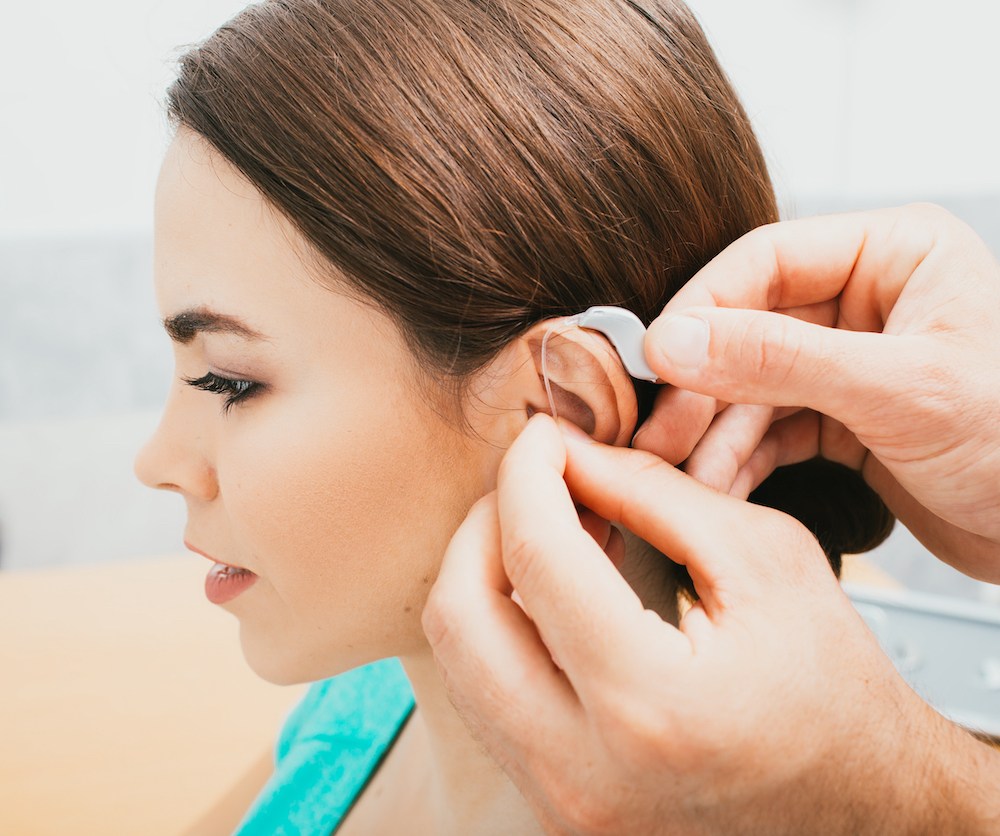
Some people look at hearing aids in different styles to help with overall hearing support, while others might use assistive devices that focus on specific situations like phone calls or conversations in noisier places.
In some cases, the next step is simply keeping an eye on things over time to understand how the changes are developing before deciding what makes the most sense going forward.
Getting ready for a mid-year screening usually doesn’t take much, but a little preparation can make the appointment feel more straightforward.
Most of it is just about thinking through your recent routine and how things have been going day to day.
Simple ways to get ready for a mid-year screening appointment include:
It’s not only about the test itself, but about what those results look like when they’re connected to the different places someone moves through during a normal week.
Because of that, the questions someone brings into the appointment can shape how much sense the results make and how clearly they reflect real life.
Helpful questions for your local audiologist during your visit can include asking what the results show and whether anything stands out when compared to past visits. It can also help to ask how environments might be affecting what you’re noticing and how those patterns tend to show up.
Some people also ask how to interpret changes in the context of their routine, especially when things don’t feel the same across all situations.
Checking in on your hearing mid-year is really just good practice, the same way you’d get a physical or have your eyes checked without waiting for something to go wrong first.
It gives you a current, accurate picture of where things stand and something real to compare against the next time you come in. That kind of baseline is useful in ways that only become obvious later.
Siouxland Hearing Healthcare, P.L.C., in Sioux City, Iowa makes it easy to fit that into your year. We work with people at all different points, whether it’s a first screening or a regular check-in they’ve been doing for years. Give us a call at (712) 266-3662 and we’ll find a time that works for you.
Summer around Siouxland means finding a way to spend some time near the
By: admin | August 24, 2026
Hearing tends to be one of those things you only think about when
By: Dr. Mike L Sloniker | May 18, 2026

Hearing is usually thought of as something your ears handle on their own,
By: Dr. Mike L Sloniker | March 25, 2026