Can I Wear Hearing Aids at the Beach or Pool? Best Practices
Summer around Siouxland means finding a way to spend some time near the

By: Dr. Mike L Sloniker | March 25, 2026
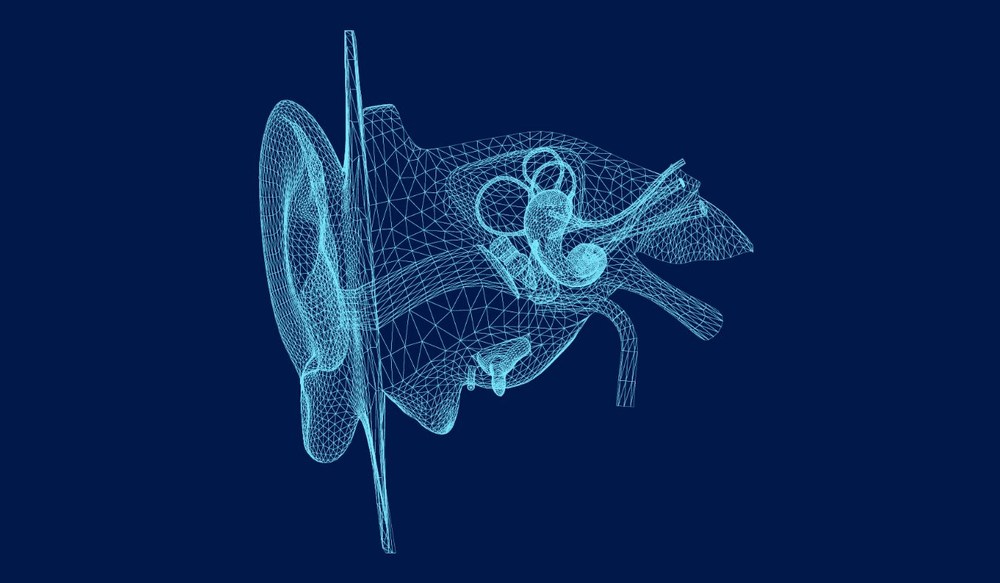
Hearing is usually thought of as something your ears handle on their own, but your brain is doing the heavier lifting. The ears collect sound, but it is the brain that figures out what that sound means, who is talking, what they said and how to respond.
That process happens fast and mostly without you noticing it, right up until the point where it starts to require more effort than it used to.
When hearing changes, even gradually, the brain has to work harder to fill in what the ears are not fully delivering.
That extra effort does not always announce itself as a hearing problem. It shows up as fatigue after a long conversation, frustration in situations that used to feel easy or a sense that you are keeping up but just barely.
The connection between your hearing and how you feel at the end of the day is closer than most people realize.
Sound reaches your ears as raw vibration. What happens after that is entirely your brain’s job.
Once those signals travel up through the auditory nerve, the brain starts sorting through them almost instantly, separating one voice from another, filtering out what is not relevant and matching what it hears against everything it already knows about language, tone and context.
You are not consciously doing any of this. It runs in the background the way breathing does, constant and automatic.
What makes it interesting is how much your brain fills in on its own. A word that gets clipped by background noise, a sentence spoken too quickly, a voice coming from across a crowded room, your brain takes incomplete information and makes its best guess about what was actually said.
Most of the time, it gets it right, and you never notice the gap. But that gap-filling takes processing power, and the more your ears struggle to deliver a clean signal, the harder your brain has to work to make sense of what it is receiving.
Hearing is the primary way most people take in information throughout the day. It drives everything from casual back-and-forth conversations to following instructions, catching details in a meeting or knowing when someone’s tone has shifted.
When it is working well, communication moves at a natural pace, and most of it happens without any extra effort on your part.
When hearing loss enters the picture, that pace changes. Conversations require more concentration, details get missed and the back-and-forth that most people take for granted starts to feel less fluid.
This affects not just how well you hear but how fully you can participate in routine exchanges, whether that is at work, at home or anywhere in between.
Clear hearing is key for memory and learning. When you hear well, your brain can easily take in information, store it and recall it when needed. This helps you remember names, directions or details from conversations.
If hearing becomes more difficult, your brain may use extra effort just to understand words or sounds, leaving less energy for storing new memories or learning new facts. After a while, this added effort can make it harder to keep up with daily tasks that rely on memory.
Good hearing also supports attention and problem-solving skills. Activities like reading or playing word games are also linked to better memory and learning abilities. Staying socially active or listening to stories also allows your mind to remain responsive as you age.
Clear hearing makes it easier to pay attention to what is happening around you. When you hear well, your brain does not need to work as hard to keep up with conversations or sounds.
Hearing loss can make it difficult to stay focused, especially in busy places like restaurants or family gatherings. This can lead to feeling tired or distracted after trying to listen for a long time.
Hearing aids or assistive devices recommended by the audiologist can make sounds clearer, which helps your brain focus on the information that matters most during conversations and daily activities.
Strong social connections are an important part of a healthy life. Clear hearing helps you join in conversations, share stories and enjoy time with others. This sense of connection is important during family gatherings, outings with friends or simple chats at home.
When hearing changes, it can be harder to keep up with group conversations or understand what others are saying in noisy places.
Feeling left out or having trouble following conversations can be frustrating and lonely. Some people may avoid social situations when communication becomes difficult.
Hearing loss does not only affect what you hear. It can change how you feel in regular situations, especially when simple conversations start to take more effort than they used to. When listening becomes work instead of something natural, your reactions, energy and overall mood can start to reflect that strain.
Some of the emotional changes people commonly notice include:
Hearing and thinking are closely linked in ways that are not always obvious. When sound becomes harder to process, your brain has to work harder to make sense of normal information. That extra effort can influence memory, focus and mental clarity long before anyone connects those changes to hearing.
You may notice certain patterns in daily life that point to this connection:
Untreated hearing loss has a way of wearing on the people closest to you, often before anyone says anything about it. A partner starts repeating themselves so routinely that it becomes part of how they talk to you.
A family member stops going into detail because the back-and-forth is exhausting. A friend quietly switches to texting without either of you really acknowledging why.
Communication starts to require more effort than it should, and eventually people find workarounds that gradually replace real conversation.
In the workplace, the stakes can be more immediate. Missing part of a meeting, mishearing an instruction or needing clarification repeatedly in a professional setting can affect how others perceive your attention and competence, even when hearing loss is the actual cause.
Beyond the professional side, there are real safety considerations that do not get talked about enough. Not hearing a car approaching, missing an alarm, failing to catch a warning from someone nearby, these are not rare edge cases.
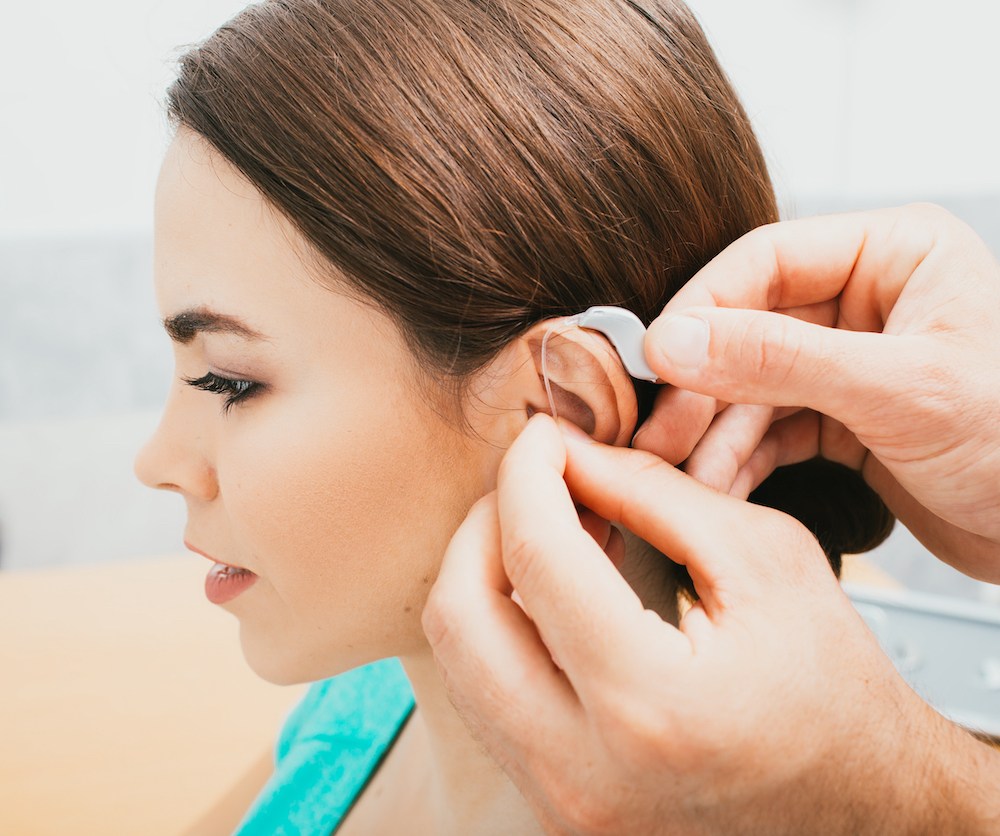
Hearing aids are the most common and most accessible way to address hearing loss, and for most people, they are where the conversation about treatment begins.
They do not restore hearing to what it once was, but they close the gap between what your ears are delivering and what your brain needs to work with.
A well-fitted device tailored to your specific pattern of hearing loss makes a genuine difference in how much effort daily listening requires – and that matters across every part of your day – from a quick exchange at the store to a long conversation with a loved one.
When the brain is no longer straining to decode an incomplete signal, it has more capacity to do everything else it is supposed to do.
Research has increasingly pointed to a link between untreated hearing loss and accelerated cognitive decline, and while hearing aids are not a guarantee against that, restoring better auditory input gives the brain more to work with and less to compensate for.
Wearing hearing aids consistently means staying in conversations and social situations that keep the brain actively working.
The mental effort of following a discussion, tracking multiple voices, processing language in real time – all of that adds up – and losing access to it gradually takes a toll that is hard to reverse once it sets in.
The brain is remarkably good at adapting, but adaptation has a cost. What feels like getting by is often the brain quietly redistributing effort, pulling resources from one place to cover a gap somewhere else.
That works for a while, but it is not a long-term solution, and the longer it goes on, the more it starts to show up in ways that have nothing to do with hearing on the surface.
If your days have been feeling heavier than they should, or conversations have started requiring more from you than they used to, it may be worth talking to someone about your hearing before drawing any other conclusions.
The team at Siouxland Hearing Healthcare, P.L.C. in Sioux City, Iowa can help you figure out what is actually going on. Give us a call at (712) 266-3662. Sometimes what feels like a cognitive or emotional problem turns out to have a much simpler explanation.
Summer around Siouxland means finding a way to spend some time near the
By: admin | August 24, 2026

Hearing tends to be one of those things you only think about when
By: Dr. Mike L Sloniker | May 18, 2026
Hearing is usually thought of as something your ears handle on their own,
By: Dr. Mike L Sloniker | March 25, 2026